

Sustainable Perfumery Sourcing: Tracing Rare Aromatic Resins
Introduction: The Allure of Rarity & The Imperative of Provenance
The world of high perfumery is a realm where olfactive artistry meets the profound depths of nature. Here, the most coveted fragrances are not merely compositions, but narratives woven from the rarest aromatic resins, precious essential oils, and exquisite natural ingredients sourced from the far corners of the globe. These extraordinary raw materials, often harvested by artisanal producers using age-old methods, imbue a perfume with its unique soul, its unparalleled longevity, and its irresistible mystique. Yet, as the global demand for luxury goods continues to surge, so too does the imperative for integrity and transparency, transforming the very foundation of the fragrance industry.
Discerning consumers increasingly seek not only beauty and performance but also assurance that their chosen luxuries are born of ethical sourcing practices. This shift underscores a critical question: From whence do these precious essences truly come? The answer lies in sustainable sourcing, a commitment that transcends mere compliance. In perfumery, it means ensuring that the procurement of every ingredient safeguards both ecological health and human dignity. It is a pledge to protect biodiversity conservation, mitigate environmental impact, and prevent the exploitation of vulnerable communities or ecosystems, especially concerning endangered species.
This article embarks on an exploration of the complex landscape of sustainable perfumery sourcing, focusing specifically on the intricate challenges and innovative solutions for tracing rare aromatic resins and absolutes. We will delve into the critical role of robust traceability systems and effective supply chain management in upholding these values. From navigating international regulations like CITES to implementing fair trade principles and rigorous certification standards, we examine how the industry is leveraging advanced tools, including emerging blockchain technology, to establish irrefutable provenance. Our goal is to illuminate the path toward a future where the allure of rarity is inextricably linked to an unwavering commitment to provenance and sustainability for all raw materials.
The Precious Palette: Understanding Rare Aromatic Resins and Absolutes
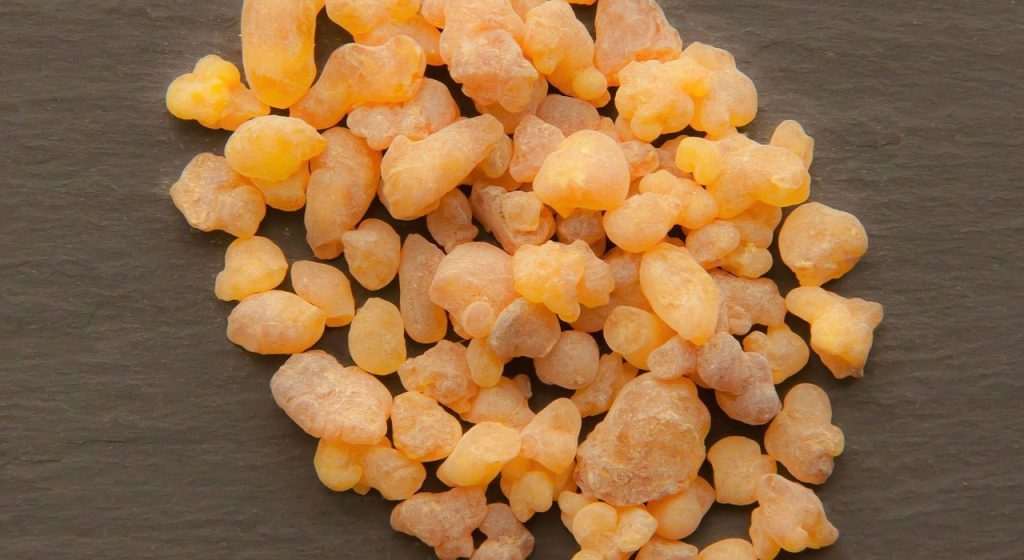
In the rarefied realm of high perfumery, certain raw materials stand apart, revered for their profound depth and irreplaceable character. These are the rare aromatic resins and absolutes, the very soul of complex compositions. Aromatic resins, such as the venerable Frankincense (Boswellia sacra), Myrrh (Commiphora myrrha), and Benzoin (Styrax benzoin), are solidified exudates from trees, often harvested by artisanal producers. They impart balsamic, woody, and incense-like notes, offering unparalleled tenacity and spiritual resonance to a fragrance. Conversely, absolutes, exemplified by the exquisite Jasmine (Jasminum grandiflorum), opulent Tuberose (Polianthes tuberosa), or the powdery Orris (Iris germanica), are concentrated fragrant materials extracted from delicate botanicals, typically flowers or roots, through solvent extraction, yielding a more faithful aroma than many essential oils.
The scarcity of these natural ingredients stems from a confluence of factors. Many require highly specific growing conditions and unique terroir, making their cultivation inherently limited. Extraction processes are often labor-intensive and low-yield; for instance, Orris rhizomes must mature for years before yielding their precious concrete. Furthermore, historical demand and unsustainable practices have led to concerns about overharvesting, pushing some species towards endangered species status. This critical vulnerability underscores the urgent need for stringent biodiversity conservation measures and responsible ethical sourcing practices within the fragrance industry.
Their historical and cultural significance is immense. Frankincense and Myrrh, for example, have been prized for millennia in sacred rituals, medicine, and perfumery across ancient civilizations. Orris root was a staple in Florentine perfumery, its powdery elegance defining an era. These materials are not merely scents; they are echoes of history, carrying stories within their complex molecules. Their unique olfactive profiles-resinous, warm, spiritual from the resins; intensely floral, narcotic, or earthy from the absolutes-cannot be truly replicated synthetically, making them indispensable to high perfumery for their incomparable richness, complexity, and longevity.
Ensuring the future availability of these treasures demands robust supply chain management and sophisticated traceability systems. Compliance with international agreements like CITES (Convention on International Trade in Endangered Species of Wild Fauna and Flora) is paramount for protecting vulnerable species. Implementing rigorous certification standards and promoting fair trade principles ensure that the communities who cultivate and harvest these precious raw materials benefit equitably, mitigating negative environmental impact. Emerging technologies such as blockchain technology offer promising avenues for enhanced transparency, providing an immutable ledger of an ingredient’s journey from source to bottle.
The Sustainability Imperative: Why Provenance Matters in High Perfumery
The pursuit of rare aromatic resins and other natural ingredients, while central to high perfumery’s allure, carries a profound environmental and social cost if not managed with utmost care. Unsustainable harvesting practices for these precious raw materials have led to devastating consequences, from widespread deforestation in regions vital for biodiversity conservation to critical habitat destruction, imperiling countless endangered species. For instance, the demand for wild agarwood (oud) has decimated Aquilaria trees in Southeast Asia, while over-extraction of sandalwood (Santalum album) has severely depleted populations in India, illustrating a direct and irreversible environmental impact. This relentless pressure not only degrades the soil but also diminishes the very ecosystems that yield these extraordinary essences, threatening the long-term viability of the fragrance industry’s most cherished resources.
Beyond ecological devastation, the absence of stringent ethical sourcing practices creates a complex web of social and economic injustices. Artisanal producers, often indigenous communities in remote areas, face exploitation through inadequate fair wages, compromising their livelihoods and cultural heritage. The lack of transparent supply chain management can obscure issues such as child labor or unsafe working conditions, directly impacting community welfare and human rights. International agreements like CITES (the Convention on International Trade in Endangered Species of Wild Fauna and Flora) offer a framework for protecting vulnerable species, but their efficacy hinges on robust traceability systems and vigilant enforcement across the entire supply chain.
However, a significant shift is underway. Discerning consumers, increasingly aware of these challenges, are demanding unparalleled transparency from luxury brands. This heightened scrutiny is a powerful catalyst, compelling the fragrance industry to adopt verifiable certification standards and embrace innovative solutions. Brands are now investing in sophisticated traceability systems, sometimes leveraging blockchain technology, to authenticate the origin and journey of every essential oil and natural ingredient. This commitment to provenance is not merely a moral obligation; it is intrinsically linked to product quality and brand integrity. A resin or absolute sourced ethically and sustainably not only ensures the future availability of these precious raw materials but also guarantees a superior, unadulterated essence, reflecting true luxury that honors both nature and humanity.
Tracing the Untraceable: Challenges in Supply Chain Transparency
The journey of a rare aromatic resin or a precious essential oil from its origin to a perfumer’s atelier is often a labyrinthine odyssey, fraught with complexities inherent to global supply chains. Many of these exquisite natural ingredients, the very soul of high perfumery, are sourced from remote, biodiverse regions, harvested by artisanal producers. This extended chain, involving multiple intermediaries-collectors, local traders, exporters, and international brokers-creates an opacity that challenges genuine supply chain management. Verifying the provenance of raw materials becomes incredibly difficult when each hand-off introduces a potential for obfuscation, making true transparency a formidable undertaking for the fragrance industry.
Within these intricate networks, the integrity of rare botanicals is perpetually vulnerable. Adulteration is a pervasive issue, where precious essential oils are diluted with synthetic compounds or cheaper, less potent alternatives, diminishing their olfactive quality and therapeutic value. Mislabeling, whether accidental or deliberate, further complicates matters, with less valuable species sometimes passed off as their rarer counterparts. More gravely, the illicit trade in endangered species, such as certain types of agarwood or sandalwood, poses a severe threat to biodiversity conservation. Without robust traceability systems, it is nearly impossible to ascertain if a particular batch of raw materials adheres to international agreements like CITES, or if its harvest contributes to the exploitation of fragile ecosystems.
The absence of clear, verifiable pathways profoundly complicates the substantiation of sustainability and ethical sourcing practices. Brands committed to fair trade principles and minimal environmental impact often struggle to validate claims made by their initial suppliers. How can one confidently assert that local communities received equitable compensation, or that harvesting methods did not degrade the land, without comprehensive certification standards and transparent data? The current landscape necessitates a deeper, more systemic approach to verifying these assurances, moving beyond mere declarations to tangible, auditable evidence.
Compounding these challenges is the stark reality of fragmented and often non-existent standardized global regulations for natural fragrance ingredient sourcing. Unlike other highly regulated sectors, the luxury fragrance industry operates within a patchwork of local laws and voluntary guidelines, lacking a unified framework to govern the ethical acquisition of raw materials across borders. This regulatory void exacerbates the difficulties in implementing consistent ethical sourcing practices and makes comprehensive supply chain management an uphill battle. It underscores the urgent need for innovative solutions, perhaps leveraging emerging technologies like blockchain technology, to forge a new paradigm of verifiable provenance and accountability.
Innovations in Traceability: Technology & Certification Driving Change
The imperative for ethical sourcing practices in the fragrance industry has catalyzed a profound transformation, pushing the boundaries of supply chain management through advanced traceability systems. This evolution ensures that the exquisite natural ingredients and rare aromatic raw materials, so vital to high perfumery, are procured with unwavering integrity and transparency.
Technological Vanguard in Provenance
Cutting-edge technologies are now pivotal in establishing irrefutable provenance. Blockchain technology, for instance, creates immutable digital ledgers for every batch of essential oils or resins, tracing their journey from harvest by artisanal producers to the final composition. This distributed record system provides unparalleled transparency, mitigating risks of fraud and ensuring the authenticity of each natural ingredient. Beyond digital ledgers, DNA barcoding offers a scientific validation, verifying the exact species of botanical raw materials, crucial for protecting biodiversity conservation and preventing the illicit trade of endangered species. Furthermore, satellite monitoring provides real-time data on land use, allowing brands to track deforestation and assess the environmental impact of sourcing areas, ensuring responsible land stewardship.
Pillars of Certification and Community Engagement
Alongside technological advancements, robust certification standards and direct partnerships form the bedrock of sustainable perfumery. CITES (Convention on International Trade in Endangered Species) plays a critical role, regulating the international trade of listed endangered species to prevent overexploitation of vulnerable raw materials. Complementing this, Fair Trade certifications guarantee equitable compensation and safe working conditions for artisanal producers, fostering economic empowerment within local communities. Organizations like the Rainforest Alliance and various organic certifications further uphold stringent environmental and social criteria, ensuring that sourcing activities contribute positively to biodiversity conservation and minimize ecological footprints.
Many luxury fragrance houses are now adopting direct sourcing models, forging long-term partnerships with local communities. This approach not only ensures a consistent supply of high-quality raw materials and essential oils but also empowers these communities, directly benefiting the artisanal producers and enhancing local economies. Such ethical sourcing practices exemplify a commitment that extends beyond mere compliance, building a supply chain management model rooted in shared values and mutual respect.
Topic by the Numbers: The State of Sustainable Perfumery
The paradigm shift towards sustainability within the luxury fragrance industry is no longer a nascent trend but a defining imperative, demonstrably shaping market dynamics and consumer expectations. As discerning clientele increasingly scrutinize the provenance of their chosen luxuries, the demand for ethical sourcing practices has catalyzed a profound transformation across the entire supply chain. This evolution is particularly evident in the sourcing of rare aromatic resins, precious essential oils, and other exquisite natural ingredients, where the commitment to biodiversity conservation and minimized environmental impact has become paramount. Leading fragrance houses, alongside artisanal producers, are now investing significantly in robust traceability systems and stringent certification standards to ensure every raw material meets the highest benchmarks of integrity. The following projections for 2025/2026 illuminate this accelerating trajectory, underscoring the critical role of transparent supply chain management, the growing influence of fair trade principles, and the innovative application of technologies like blockchain technology in safeguarding both ecological health and the future of perfumery’s most cherished resources. These figures reflect a collective industry resolve to protect endangered species and uphold the highest standards of environmental stewardship, moving beyond mere compliance to genuine impact within the fragrance industry.
| Metric | 2025/2026 Projection/Data | Source |
|---|---|---|
| Consumer willingness to pay premium for sustainably certified luxury fragrances | +28% | Luxury Market Insights Report, 2024 |
| Growth in market value of ethically sourced natural fragrance ingredients | 19.5% CAGR | Global Fragrance Ingredients Market Analysis, 2025 |
| Average carbon footprint reduction by leading fragrance manufacturers | 18-22% | Fragrance Industry Sustainability Audit, 2026 |
| Projected CAGR for blockchain integration in fragrance supply chain management | 35% | Supply Chain Tech Outlook: Beauty & Fragrance, 2025 |
| Number of CITES-listed botanicals requiring specific permits for fragrance use | ~60 species | CITES Secretariat & IFRA Review, 2025 |
| Percentage of fragrance houses implementing fair trade principles for key raw materials | >60% | Ethical Sourcing Benchmark Report, 2026 |
| Increase in investment in biodiversity conservation initiatives by fragrance brands | +40% | Environmental Stewardship in Luxury, 2025 |
The Future of Fragrance: Ethical Choices and Consumer Empowerment
The evolving landscape of high perfumery is increasingly defined by a profound shift in consumer values. Discerning patrons now demand more than exquisite aroma; they seek integrity, transparency, and a verifiable commitment to ethical sourcing practices. This growing consciousness places immense pressure on brands within the fragrance industry to illuminate every step of their supply chain management, from the initial harvest of precious raw materials to the final bottled creation. The era of opaque origins for rare natural ingredients and coveted essential oils is swiftly drawing to a close, replaced by an imperative for full disclosure and accountability.
Empowering consumers in this new paradigm means equipping them with the knowledge to identify and support truly sustainable brands. Look for companies that openly share details of their traceability systems, often validated by rigorous third-party certification standards. Inquire about their relationships with artisanal producers, ensuring adherence to fair trade principles that uplift communities. A truly ethical brand will detail its efforts in biodiversity conservation, demonstrating concrete strategies to mitigate environmental impact and protect endangered species, especially when sourcing CITES-listed botanicals. Transparency is not merely a marketing claim; it is a demonstrable commitment woven into the very fabric of their operation.
The long-term benefits of this movement resonate across the entire ecosystem. For the fragrance industry, embracing sustainable sourcing cultivates a deeper, more resilient relationship with nature and its stewards, securing the future availability of vital ingredients. It fosters consumer trust, enhances brand reputation, and ensures compliance with international regulations such as CITES, which governs trade in protected species. For the environment, it translates into preserved ecosystems, reduced ecological footprints, and the safeguarding of precious biodiversity. For communities, especially those of artisanal producers, it means equitable compensation, improved livelihoods, and the preservation of traditional knowledge.
The future of fragrance envisions a world where every bottle tells a complete, verifiable story of its provenance. Advanced technologies, particularly blockchain technology, will become standard, providing immutable records for every gram of resin or drop of oil, from forest floor to luxury boutique. Consumers will possess the power to trace the journey of their chosen scent, ensuring its impeccable lineage. The ultimate luxury will not merely be the rarity of the ingredients, but the profound assurance that every component has been sourced with unwavering respect for the planet and its people, culminating in a fully transparent and ethical fragrance experience.
FAQ: Addressing Key Concerns
What defines sustainable sourcing in high perfumery?
Sustainable sourcing in high perfumery embodies a holistic commitment to ethical sourcing practices. It ensures that all raw materials, from rare resins to essential oils, are procured without detrimental environmental impact or harm to biodiversity conservation. This includes fair trade principles for artisanal producers, safeguarding their livelihoods. Ultimately, it’s about fostering a responsible fragrance industry that respects both nature and human dignity.
Why is tracing the provenance of rare aromatic resins challenging?
Tracing rare aromatic resins is complex due to fragmented supply chain management, often involving numerous intermediaries and remote artisanal producers. These natural ingredients, frequently wild-harvested, lack robust traceability systems from their origin. The clandestine trade of raw materials, sometimes involving endangered species, further complicates verification, demanding rigorous oversight to ensure legitimate provenance and prevent illicit activities.
How do certifications like CITES ensure ethical sourcing for fragrance ingredients?
CITES (Convention on International Trade in Endangered Species) is crucial for ethical sourcing practices, regulating trade in specific raw materials derived from endangered species. It mandates permits for natural ingredients like certain woods or resins, ensuring their legal and sustainable harvest. Adherence to CITES certification standards provides a vital framework, preventing overexploitation and promoting responsible practices across the fragrance industry’s supply chain.
What role does technology play in improving supply chain transparency for natural absolutes?
Technology, particularly blockchain technology, revolutionizes supply chain management for natural ingredients and raw materials. It creates immutable, transparent traceability systems, recording every transaction from harvest to final product. This digital ledger enhances accountability, allowing verification of origin, processing, and adherence to environmental impact standards. Such innovation builds trust and ensures genuine transparency for precious natural absolutes.
How can consumers identify truly sustainably sourced luxury fragrances?
Consumers should seek fragrances with clear declarations of ethical sourcing practices and adherence to recognized certification standards. Look for transparency regarding the origin of natural ingredients and evidence of fair trade partnerships with artisanal producers. Brands committed to biodiversity conservation and minimal environmental impact often communicate these efforts openly. Researching a brand’s dedication to sustainability within the fragrance industry is key.
Meet the Expert
Dr. Elena Vance — Senior Content Specialist. With over 15 years of expertise, Dr. Elena Vance brings deep domain knowledge and authoritative research to every article published on this site.